
Love after a lifetime
A meditation on what happens after the fireworks fade; when love stops being performance and becomes something quieter, stranger, and far more enduring.

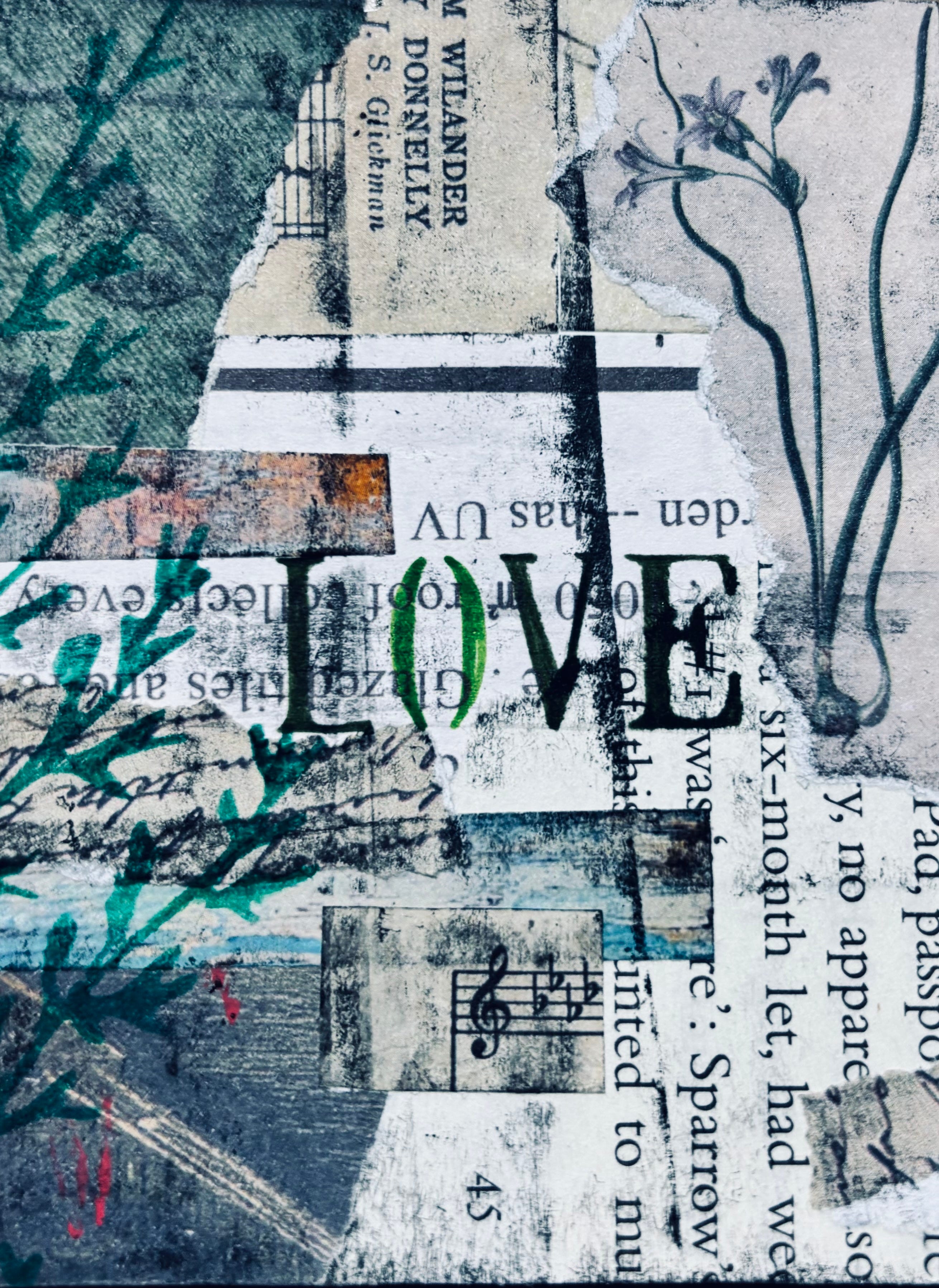
There comes a moment in every real relationship when the performance ends. It doesn’t end dramatically - not with a cinematic collapse involving slammed doors and orchestral music and someone crying in the background. It happens quietly: one person gets food poisoning, someone forgets to buy toilet roll, or one of you develops an inexplicable knee pain that lasts fourteen months (trust me, I’ve been there). The house starts making noises neither of you can identify and you begin discussing blenders with the gravity once reserved for political revolution… And somewhere inside all of this, novelty leaves.
The world talks endlessly about the beginning of love because beginnings are easy to photograph. Desire is marketable, newness glows - two people reaching hungrily toward one another across restaurant tables beneath flattering lighting will always look more exciting than two people standing in Tesco silently trying to remember whether they really need another kilo of smoked applewood.
I suspect the real test of love begins precisely when it stops feeling cinematic - that moment when the mystery fades, when the seduction settles. When your bodies become familiar landscapes instead of unexplored countries. When you know exactly how they take their coffee and what mood they’re in by the sound of a cupboard closing. When you have heard all their stories at least three times and can still laugh at the punchlines as they arrive. This is the point where some people panic.
Because novelty is intoxicating - it creates the illusion of aliveness, new love floods the body with dopamine and projection; we fall partly for the person and partly for the version of ourselves reflected back at us through their attention. To be newly desired is to briefly escape the ordinary self - we become brighter, sharper, more electric. Even supermarkets begin to feel romantic when someone is touching the small of your back near the reduced vegetables.
But eventually, inevitably, life arrives. Or laundry, or exhaustion, or grief. And this is where love quietly separates itself from performance.
Because lasting love is rarely built from perpetual excitement, it is built from endurance of the ordinary, from a thousand small tendernesses so repetitive they almost become invisible. Someone filling your water bottle before bed because they know you’ll forget, someone buying the expensive butter you like even when money is tight, or that someone who reaches for your hand automatically in a crowded place after twenty years together, not from passion now, but instinct.
There is something profoundly unglamorous about real devotion. It often looks like admin - like learning each other’s fears so thoroughly you begin protecting wounds they never even verbalise anymore.
And perhaps this is why modern love struggles so much, we have mistaken intensity for intimacy. We chase the feeling of being chosen publicly instead of loved privately, we confuse attention with care because attention is visible and care often is not.
I think about elderly couples sometimes; the ones who move around one another with almost wordless understanding. The husband carrying her handbag without embarrassment because her arthritis is bad today. The wife cutting his food smaller because his hands shake slightly now. No spectacle, no performance, or audience required applauding beneath a photograph - just love after novelty, love after youth., love after illusion. Perhaps that is the closest thing we have to grace.
Eventually, beauty changes - desire fluctuates with stress and hormones and grief and exhaustion. The world will always reward what is young, visible and new. But the deeper miracle is finding someone who remains when novelty leaves the room entirely and ordinary life walks in carrying supermarket bags and bad news. Someone who still turns toward you anyway.
Someone who knows every version of you - the brilliant one, the grieving one, the frightened one, the impossible one, the exhausted middle-aged woman eating soup in silence because the day became too heavy, and stays.
Not because you are endlessly exciting, not because you are always easy to love. But because somewhere along the way, love stopped being performance and became recognition.
Which, I think, is infinitely rarer.
Love

That is true love. We all change over time and we can fall in love all over again with the different versions of our partners. Just when we think we figured things out.
This:
“Because lasting love is rarely built from perpetual excitement, it is built from endurance of the ordinary, from a thousand small tendernesses so repetitive they almost become invisible.”